Asphalt shingle roofs in Florida typically last 15-20 years.
UV radiation and humidity accelerate roof deterioration.
Granule loss and curling shingles are early warning signs.
Interior water stains often mean roof failure has already begun.
Roof inspections after storms are critical in Florida.
Florida's climate is brutal on roofing systems. If you're a homeowner, recognizing the signs your roof needs replacement in Florida could save you thousands in repairs and prevent major storm damage during hurricane season.
Many homeowners assume that if their roof looks fine from the street, everything is functioning properly. Unfortunately, roofing systems often deteriorate gradually beneath the surface.
By the time a leak becomes visible inside the house, the damage may already be extensive. Learning to recognize the signs your roof needs replacement in Florida allows homeowners to plan ahead, schedule inspections, and avoid emergency repairs during storm season.
Why Florida Is So Hard on Roofs
What if the roof over your head is quietly failing, with hurricane season only months away?
That's the reality facing thousands of Florida homeowners every year. Florida's climate with its relentless UV exposure, daily humidity, torrential summer rains, and seasonal hurricane threats is among the harshest in the country for roofing materials. A roof that looks fine from the street could actually be losing the battle against the elements.
Our local weather wages a year-round assault on our roofing systems. Understanding how and why Florida accelerates roof wear will help you to notice warning signs so you can take action before they become expensive emergencies.
Intense UV Radiation
Florida gets more sunshine than nearly any other state. Constant exposure to ultraviolet (UV) radiation dries out the oils in asphalt shingles, causing them to become brittle over time.
The intense UV rays can cause shingles to dry out and become brittle, making them more susceptible to cracking and breaking. And this process happens faster in Florida than in cooler or cloudier states.
Year-Round Humidity
Florida's average relative humidity is regularly above 70 percent. High moisture levels create ideal conditions for algae and mold growth on roof surfaces.
Beyond cosmetics, moisture trapped under compromised shingles accelerates wood rot in the decking beneath, turning what might have been a shingle repair into a far more serious structural replacement.
Heavy Rainfall and Rainy Season
Florida's rainy season typically runs from June through September and delivers frequent, intense downpours. Any weakness in your roofing system such as a cracked shingle, a failed flashing joint, or a compromised seal gets tested constantly during these months.
In Florida's climate, a small leak left unaddressed through one rainy season can cause significant interior damage before a homeowner realizes what's happening.
Hurricane and Tropical Storm Season
In Florida, your roof works harder than almost anywhere else in the country. Between intense sun, daily humidity, sudden downpours, and the threat of tropical storms, a roof's lifespan can shorten quickly if problems aren't addressed early.
Even a storm that doesn't make direct landfall in your city can deliver wind gusts strong enough to compromise an aging roof.
How Long Does a Roof Last in Florida?
In Florida, the average roof lifespan is only about 15 to 20 years, which is shorter than the national average, because the climate is so demanding. Here’s what Florida homeowners can generally expect by type of material:
- Asphalt shingles: 15 to 20 years, often on the lower end due to UV and storm exposure
- Metal roofing: 40 to 70 years, with excellent hurricane resistance and growing popularity statewide
- Clay or concrete tile: 50 or more years; resistant to heat and wind, but prone to cracks from storm debris
- Flat roofs: 10 to 20 years, with susceptibility to pooling water and mold in Florida's wet climate
The most common roofing materials in Florida are asphalt shingles, but they've the shortest lifespan in this climate. If your home has asphalt shingles and your roof is approaching or past the 15-year mark, it deserves a professional inspection regardless of how it looks from the ground.
10 Signs Your Roof Needs Replacement in Florida
Whether you're in Orlando, Palm Harbor, Tampa, or Winter Park, knowing the signs that a roof needs replacement in Florida is one of the most important things you can do as a homeowner. Catching a roof in its late stages of decline, but before a major storm or a costly leak, will put you in control of the timeline, the budget, and the outcome.
Some of the following signs are visible from the ground. Others require a closer look at your attic or gutters. But all of them deserve prompt attention in Florida's climate, where small problems escalate quickly.
1. Your Roof Is 15 Years Old or Older
Age alone is one of the most reliable indicators that a roof is nearing the end of its useful life. An asphalt shingle roof over 15 to 20 years old in Florida is living on borrowed time. Even if it looks fine from the ground, an older roof may have brittleness, loose flashing, or hidden damage that makes it unlikely to survive a severe storm.
Planning for replacement before a problem forces your hand gives you time to compare materials, get multiple estimates, and choose a replacement that fits your timeline and budget.
2. Curling, Cracking, or Missing Shingles
Shingle curling can happen at the edges, which is called “cupping,” or in the center, which roofers call “clawing.” In either case, it isn't a good sign for your roof. If you have a substantial amount of curling shingles—more than 25 percent of your roof—it's a warning sign that you need a new roof.
Missing shingles are an equally urgent concern. After any Florida storm, walk around your property and look for shingles in your yard or driveway. Even one missing shingle exposes the underlying decking to direct water contact. Widespread or recurring shingle loss points toward replacement rather than ongoing spot repairs.
3. Granules Collecting in Your Gutters
Finding stone granules in your gutters or downspouts is one of the biggest warning signs that you need a new roof. While it's normal to notice some granules coming off immediately after a roof installation, if your roof is more than 10 years old, finding granules means that it's probably time for a replacement.
When shingles lose their granule coating, the exposed asphalt beneath becomes brittle much faster, especially under Florida's intense sun. Check your gutters after rain. What looks like coarse sand or grit at the bottom of your downspout is your shingles telling you that you're running out of time.
4. Dark Streaks, Staining, or Algae Growth
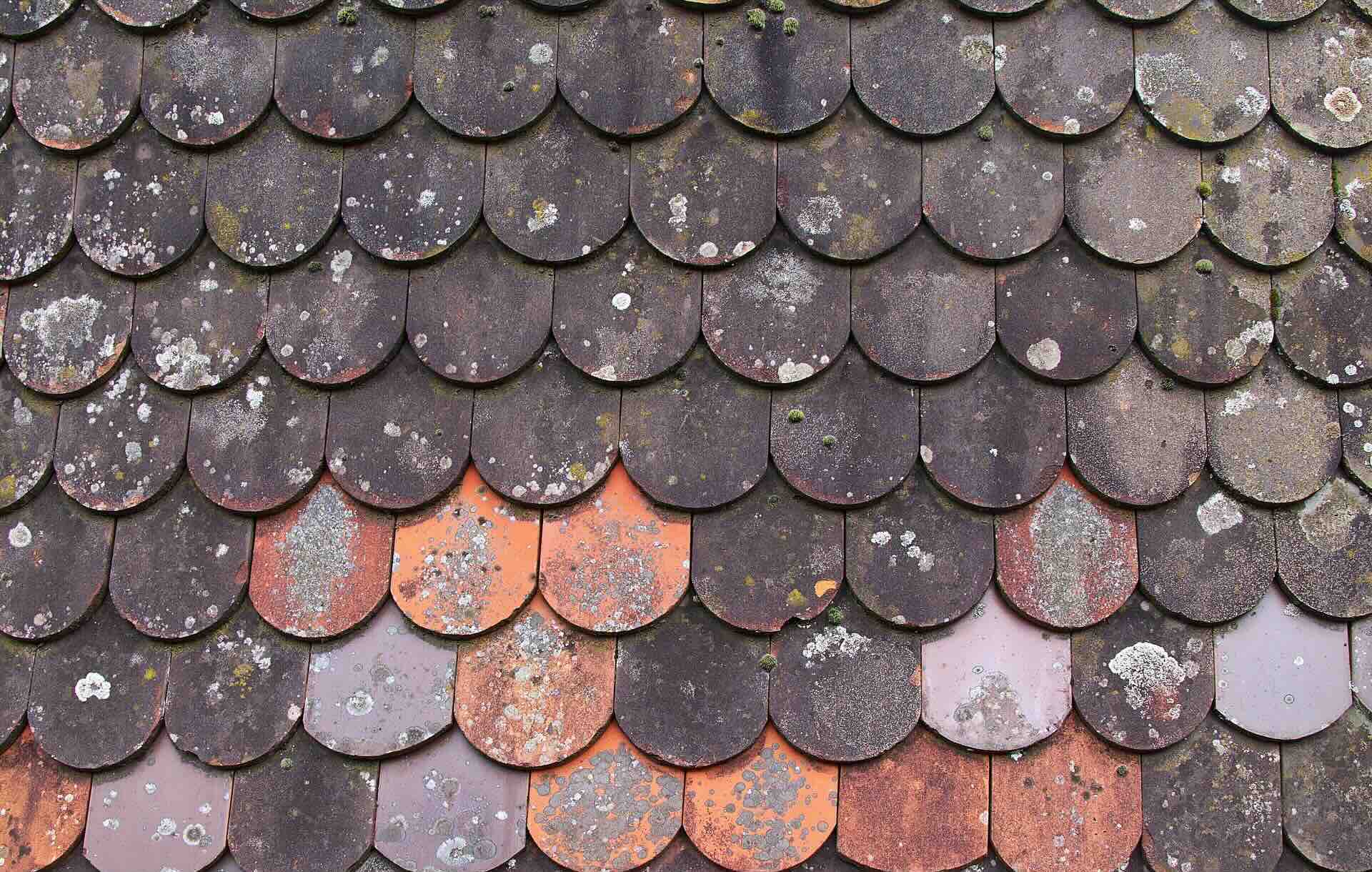
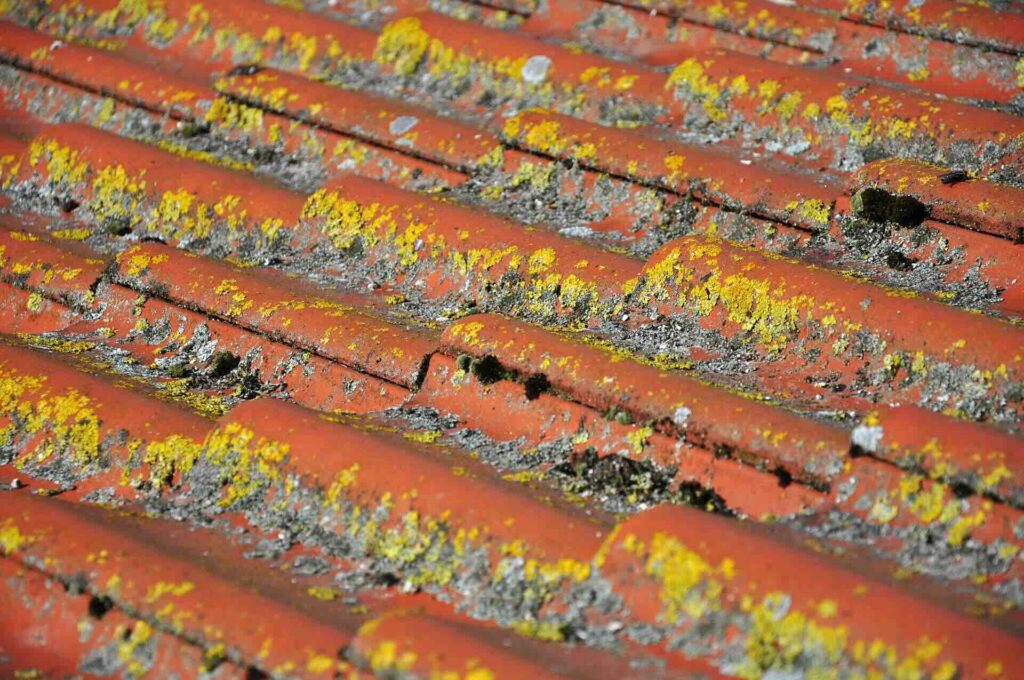
Algae are extremely common in Florida due to heat and humidity. While algae growth may look cosmetic at first, it can trap moisture and speed up roof deterioration, especially on older shingle roofs.
Widespread algae or moss growth on an older roof often indicates that moisture is persisting on the surface in ways that a healthy roof shouldn't allow. If the growth is extensive and the roof is aging, it may signal that the underlying materials have already compromised the roof's drainage capacity.
5. Sagging or Visible Structural Depression
A sagging roof is a serious issue and could indicate significant structural damage. In Florida, high humidity and frequent storms can cause wood rot, which weakens the strength of your roof. This is a repair rather than replacement situation, and it calls for an immediate professional evaluation.
Look at your roofline from the street. It should be straight and even from ridge to eave. Any visible dipping, waving, or depression is cause for concern. Don't walk on a roof you suspect may be sagging as the decking beneath may no longer support weight safely.
6. Water Stains on Interior Ceilings or Walls
Water stains on ceilings or walls are obvious red flags, but they don't always appear directly under the leak source. Water can travel along rafters and beams before dripping into visible areas. In Florida's humid climate, even small leaks create ideal conditions for mold growth.
Don't paint over water stains without addressing the source. That approach conceals the symptom while the underlying problem continues to grow behind your walls and ceiling.
7. Musty Odors in Your Attic or Upper Floors
A musty or earthy smell in your attic is often the first indicator of moisture intrusion and mold growth before any visible staining appears on your ceilings. Florida's warm, humid environment allows mold spores to colonize damp insulation and wood very quickly once water gains entry through a compromised roof.
If you notice unusual odors in your attic space, investigate promptly. Look for damp insulation, dark staining on wood framing, or any visible moisture. A roofing professional and, if needed, a mold remediation specialist should both be consulted early.
8. Spiking Energy Bills
Your roof plays a significant role in regulating your home's energy efficiency. If you have noticed a sudden spike in your energy bills, your roof may be part of the problem. A poorly insulated or damaged roof can allow heat to enter your home during our sweltering Florida summers, forcing your air conditioning (A/C) system to work overtime.
A new roof, especially a metal or impact-resistant option, can meaningfully reduce cooling costs in Florida's climate. If your bills have been climbing without a clear cause, add your roof to the list of things to investigate.
9. Damaged, Loose, or Missing Flashing
Small metal pieces or flashing materials found in your yard after storms are a warning sign. These components create waterproof seals around roof penetrations. When they fail, water damage follows quickly in Florida's climate. What starts as a small leak can become a major problem within one rainy season.
Failed flashing alone can sometimes be repaired, but on an aging roof it's often a symptom of broader deterioration. After any major storm, look for visible gaps around your chimney, skylights, or vents.
10. Storm Damage: Visible or Not
Some of the most common red flags include shingle curling and granule loss, interior water stains on ceilings, a sagging roof deck, or deterioration around fascia, soffits, and skylights. Even if leaks aren't obvious yet, these warning signs indicate that the roof's protective system is breaking down and needs professional attention.
Florida homeowners need to treat every significant storm as an automatic trigger for a roof inspection. Documenting the condition of your roof promptly after a storm also puts you in the strongest possible position if damage has occurred.
What Florida Homeowners in Your City Should Know
While the warning signs above apply statewide, the specific conditions in your Florida city can influence how quickly your roof wears and what issues to watch for most closely.
Orlando
Located in the heart of Central Florida, Orlando experiences near-daily afternoon thunderstorms during summer months. The frequency of rain means that any small compromise in your roofing system gets tested constantly.
Orlando homeowners often discover roof problems during the rainy season, when leaks that were minor in the dry months suddenly become apparent. If you've noticed any staining on ceilings in your Orlando home, don't wait for the next rainy season to confirm it.
Palm Harbor
Along Florida's Gulf Coast, in Pinellas County, Palm Harbor homes face elevated humidity and proximity to the Gulf of Mexico. Saltwater air is especially hard on roofing materials and metal components.
Algae growth on shingles is extremely common in Palm Harbor's climate. Homeowners here should inspect their gutters regularly for granule accumulation and watch for dark streaking on the roof surface. Both of these are common early indicators that roof replacement is approaching.
Tampa
Situated in one of Florida's most active storm corridors, Tampa has experienced some of the most significant hurricane and tropical storm activity in the state in recent years. Tampa area residents whose roofs are nearing the 15-year threshold should be especially proactive about scheduling a professional inspection.
Tampa homeowners need to have their roof's true condition assessed and get ahead of any issues before hurricane season arrives.
Winter Park
The beautiful canopy of mature oak and cypress trees in Winter Park creates specific roofing challenges: fallen branches and limbs after storms, persistent shade that promotes algae and moss growth, and leaf accumulation in gutters that traps moisture against the roof edge.
Winter Park homeowners should inspect their roofs after any significant storm and keep gutters clear throughout the year to prevent moisture buildup that prematurely degrades roofing materials.
Repair or Replace: Simple Framework
Not every roofing problem requires a full replacement. Here's what you need to consider to reach your decision:
- Consider repair if: your roof is under 10 years old, the damage is isolated to a small area, the underlying decking is sound, and the rest of the roof is in good condition
- Consider replacement if: your roof is 15 years or older, you're experiencing multiple leaks or widespread shingle damage, the decking shows signs of rot or structural weakness, or your energy bills have increased noticeably without another clear cause
Once an older roof starts failing in one area, other issues aren't far behind. Many Florida homeowners face this when their roof hits the 15-year mark. Rather than doing a half-dozen little repairs, that money is better spent on a fresh roof that will give you another few decades of peace of mind.
A useful rule of thumb: if the cost of repair exceeds 30 to 50 percent of the cost of replacement, and your roof is already in its second decade, replacement typically delivers better long-term value.
What to Look for in a Florida Roofing Contractor
Before any work begins on your roof, take a few minutes to verify that the contractor you hire is properly covered. This protects you, your home, and anyone working on your property.
A qualified Florida roofing contractor should carry the following items:
- State roofing license—In Florida, roofing contractors must hold an active license issued by the Florida Department of Business and Professional Regulation (DBPR). You can verify any contractor's license status at myfloridalicense.com before signing a contract.
- General liability insurance—This covers damage to your property that could occur during the job. Ask to see the contractor's certificate of insurance directly; don't simply take a contractor's word for it.
- Workers' compensation insurance—If a worker is injured on your property and the contractor doesn't carry workers' comp, you could be held liable. This coverage is required for roofing contractors with employees in Florida and is nonnegotiable.
- Written, itemized estimate—A reputable contractor provides a detailed written scope of work, material specifications, timeline, and total cost before any agreement is signed.
- Permit pull responsibility—Roofing replacements require a permit in Florida. Your contractor should pull the permit on your behalf, not ask you to do it or suggest skipping it.
When in doubt, ask for references from recent Florida jobs and check the contractor's standing with the Better Business Bureau (BBB) or local review platforms. A contractor confident in their work will welcome the scrutiny.
What to Do If You Spot a Warning Sign
If any of the warning signs we described above look familiar, here's a practical, step-by-step sequence to protect your home and get ahead of the problem.
- Don't go on the roof yourself. Leave the physical inspection to licensed professionals.
- Document what you can see from the ground using your smartphone. Photos are valuable for a roofing consultation as well as your own record-keeping.
- Schedule a professional inspection with a licensed roofing contractor who can assess the decking, attic space, and full surface condition.
- Check your roof's age through the previous owner's disclosure documents or your local building department's permit records.
- Get multiple estimates if replacement is recommended: at least two or three from licensed Florida contractors.
- Ask about Florida-specific materials. Metal roofing and impact-resistant shingles provide superior hurricane resistance and longer lifespans in this climate.
Sources of information:
- Central Florida Roofing and Sheet Metal Association (CFRSA): About
- Florida Roofing and Sheet Metal Contractors Association, Inc.: New 2023 FBC Eighth Edition is Now in Effect
- Florida Roofing and Sheet Metal Contractors Association, Inc.: Replacing Your Roof
- Florida Department of Business & Professional Regulation (DBPR): Construction Industry
- Florida Department of Business & Professional Regulation (DBPR): License Verification
- Florida State University (FSU): Florida Climate Center, Office of the State Climatologist: Hurricanes
- National Hurricane Center (NHC) and Central Pacific Hurricane Center: Atlantic
Bottom Line for Florida Homeowners
If you notice these warning signs, scheduling a professional roof inspection can help determine whether repairs or full replacement is the smarter investment. Our experienced team serves homeowners throughout Orlando, Winter Park, Tampa, and Palm Harbor with the knowledge and expertise that comes from years of working on home exteriors in Florida's unique climate.
Contact us today to schedule your roof evaluation before storm season arrives.