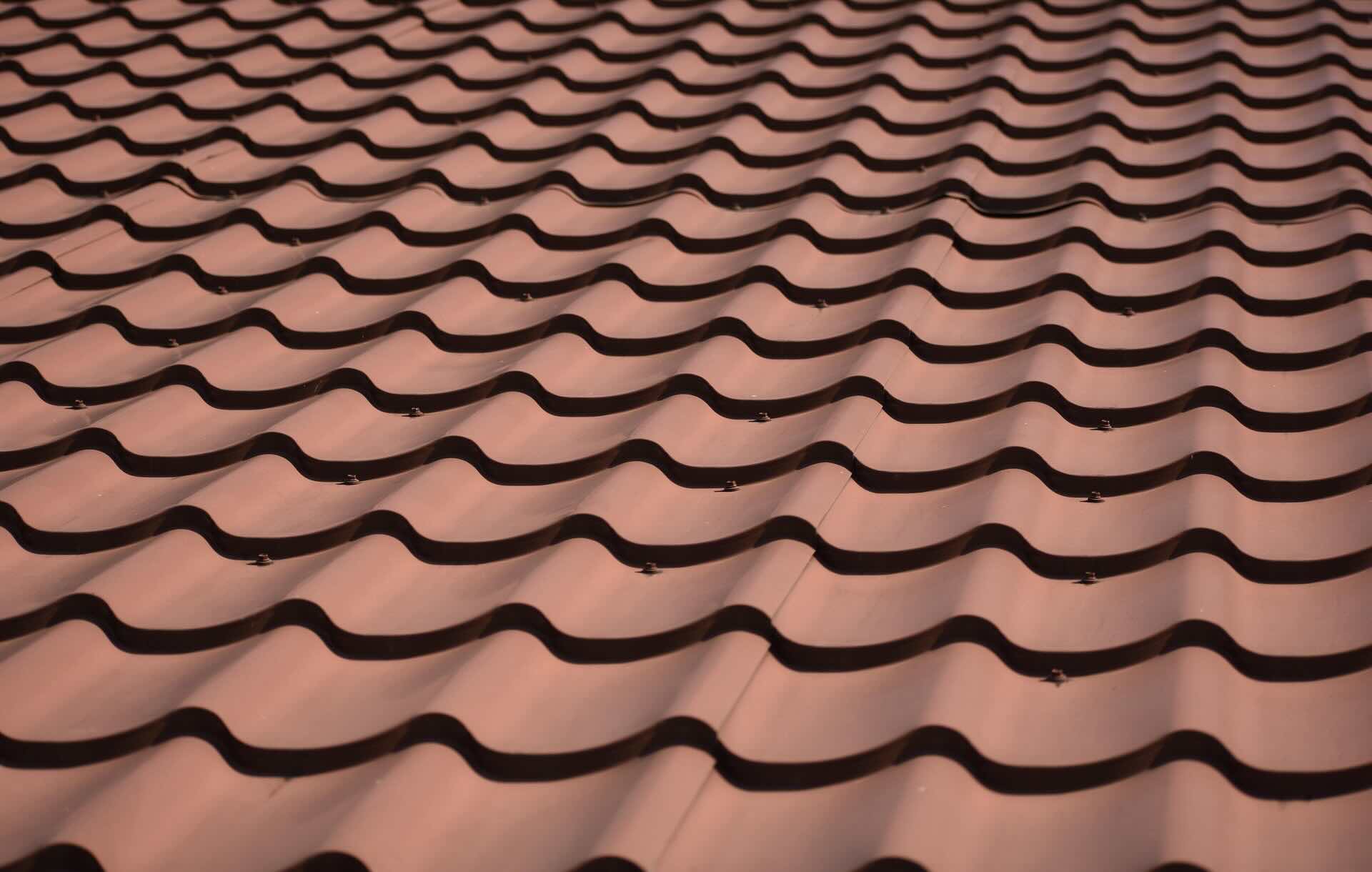
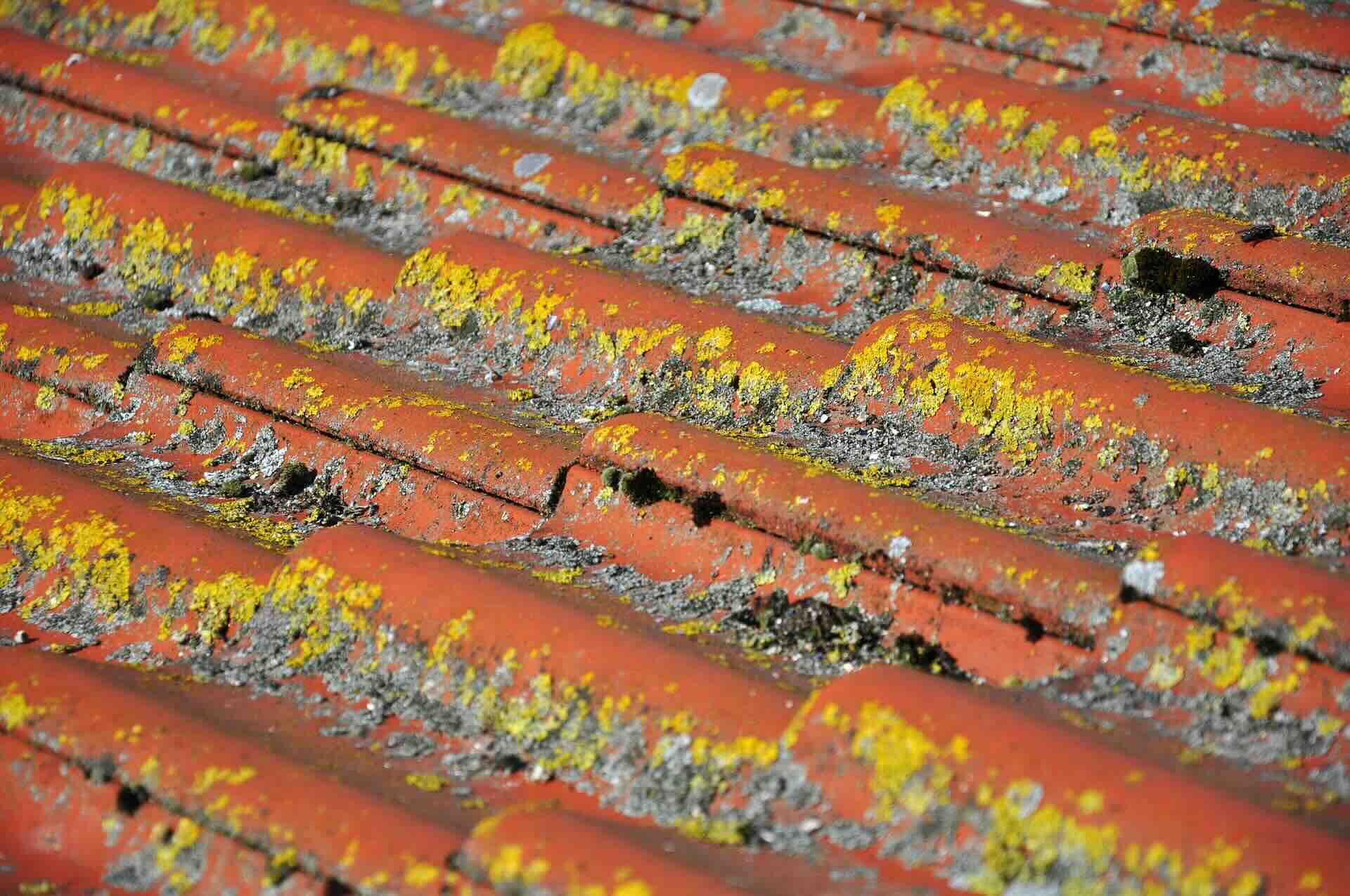
Average roof replacement cost in Florida—Most central Florida homeowners pay around $25,000 depending on material, size, and complexity.
Asphalt shingles are the most affordable option—Asphalt roof replacement cost typically ranges from $4.50 to $7.50 per square foot installed.
Metal roofs cost more upfront but last longer—Metal roof cost in Florida generally runs $10 to $20 per square foot, with lifespans of 40 to 70 years.
Roof size and pitch directly affect labor costs—Steeper, larger roofs require more time, safety equipment, and skilled labor.
Contractor insurance is a must—Always verify that your roofing contractor carries general liability insurance and workers' compensation before signing any contract.
Central Florida's climate drives unique roofing needs—Heat, humidity, and storm exposure make material selection especially important for homeowners in this region.
Getting multiple quotes helps you compare value—Two or three estimates from licensed contractors give you a clearer picture of fair market pricing.
Is your roof ready for what Florida's weather will throw at it?
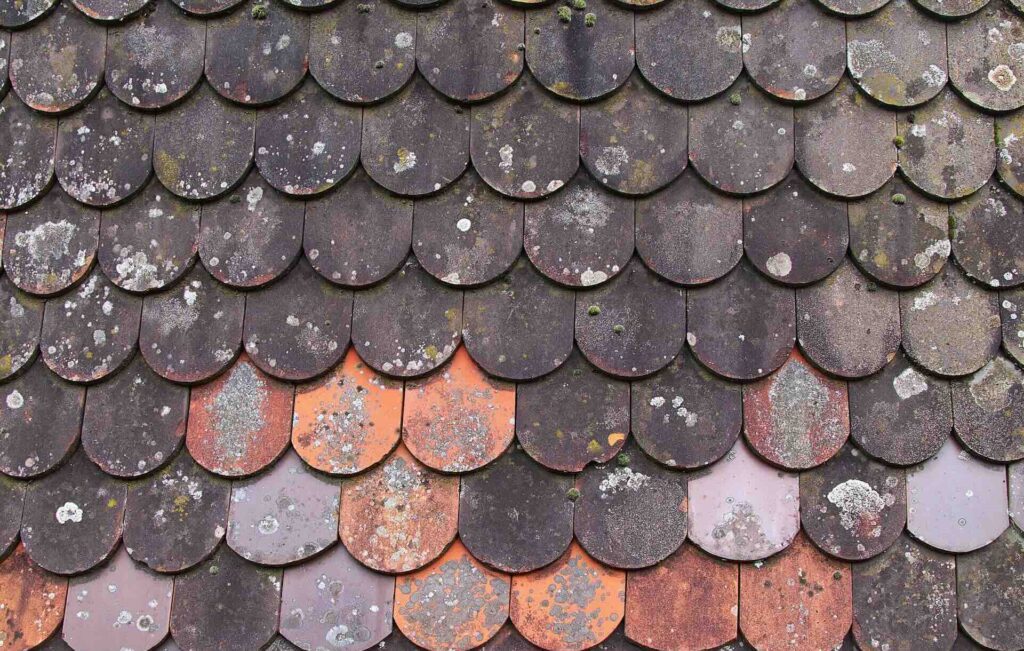
If you've lived in Florida for more than a few years, you already know that your roof earns its keep every single season. Between punishing summer heat, relentless humidity, and the ever-present threat of tropical storms, roofs in this region age faster and work harder than those in almost any other part of the country.
Whether you're in Orlando, just north of Tampa, or settling into a home in Winter Park, understanding the roof replacement cost in Florida is one of the most important financial conversations you can have as a homeowner. And if you're coming from another state to retire or relocate, Florida's roofing landscape is genuinely different from what you may be used to.
Average Roof Replacement Cost in Florida: What to Expect
Before diving into materials and details, it helps to get a realistic overall picture of the cost of a new roof in Florida.
Statewide Average Cost Ranges
Florida homeowners across the state are paying a wide range of prices depending on their home size, roof design, and chosen material. Here's a general breakdown of where most projects land:
- Small homes (under 1,500 square feet): $6,000-10,000
- Mid-size homes (1,500 to 2,500 square feet): $10,000-18,000
- Larger homes (2,500 to 4,000+ square feet): $18,000-30,000 or more
These are "installed prices," meaning that they include materials, labor, tear-off of your old roof, disposal, underlayment, and basic flashing. Custom or complex jobs will cost more.
Why Central Florida Pricing Can Differ
Central Florida, including the Orlando metro, Palm Harbor, and surrounding communities, is in a zone where labor demand, building code requirements, and material logistics converge to shape local pricing. The region's rapid population growth means that roofing contractors are consistently busy, which keeps labor rates competitive. In addition, Florida's strict building codes, especially those updated after major hurricane seasons, add cost to every project.
Material-Specific Pricing: Breaking Down Your Options
Your choice of roofing material is the single biggest cost variable you'll face. Here's what you can realistically expect to pay for each major option in Florida.
Asphalt Shingles: Most Popular Choice
Asphalt shingles are the dominant choice across Florida, and for good reason. They're affordable, widely available, and relatively easy to install. Asphalt roof replacement cost in Florida typically lands in this range:
- Three-tab asphalt shingles: $4.50-6 per square foot installed
- Architectural (dimensional) shingles: $5.50-7.50 per square foot installed
- Impact-resistant shingles: $7-10 per square foot installed
For a 1,800-square-foot roof, you're looking at about $9,000-13,500 for standard architectural shingles. Impact-resistant shingles cost more upfront, but are worth considering given Florida's storm exposure.
Asphalt shingles typically last 20 to 30 years in Florida's climate though exposure to ultraviolet (UV) radiation and humidity can shorten that lifespan compared to cooler northern states.
Metal Roofing: Long-Term Investment
Metal roof cost in Florida has become an increasingly common conversation as more homeowners prioritize longevity and performance over upfront savings. Metal roofing options include standing seam panels, exposed fastener panels, and metal shingles, each with different price points.
- Exposed fastener metal panels: $8-12 per square foot installed
- Standing seam metal roofing: $14-20 per square foot installed
- Metal shingles: $10-16 per square foot installed
For that same 1,800-square-foot roof, a standing seam metal roof would run $25,000-36,000 or more. That sounds steep until you factor in a 40-to-70-year lifespan, exceptional wind resistance, and significantly lower maintenance demands.
Metal roofing is especially popular in the Tampa Bay area, parts of Jacksonville, and across central Florida communities where homeowners are planning to stay in their homes long-term.
Tile Roofing: Florida's Signature Look
Concrete tile and clay tile roofing are closely associated with Florida's architectural style, and they perform well in our state's heat. However, tile comes with higher installation costs and structural weight requirements.
- Concrete tile roofing: $9-14 per square foot installed
- Clay tile roofing: $12-20 per square foot installed
The weight of tile requires that your roof deck and structural framing be evaluated before installation. If additional structural reinforcement is needed, that cost gets added to your total.
Flat and Low-Slope Roofing Systems
Some central Florida homes, especially those with modern or midcentury architecture, feature flat or low-slope roof sections. These use different systems entirely.
- Thermoplastic polyolefin (TPO) membrane: $5-8 per square foot installed
- Modified bitumen: $4.50-7.50 per square foot installed
- Ethylene propylene diene monomer (EPDM) rubber roofing: $5-9 per square foot installed
Flat roof systems require careful attention to drainage and aren't the right fit for every home, but they're a standard part of the Florida roofing conversation.
How Roof Size and Pitch Affect Your Roof Cost
Many homeowners focus entirely on material choice and are then surprised when their final quote is higher than expected. Roof size and pitch are two factors that significantly move the needle on your total project cost.
Roof Size: More than Just the Square Footage of Your Home
Roofing contractors measure in "squares," where one square equals 100 square feet of roof surface. Your home's roof surface area is almost always larger than the home's footprint because of overhangs, multiple planes, and angles. A 2,000-square-foot home may have 2,200 to 2,600 square feet of actual roof surface depending on its design.
Waste also plays a role. Roofing material isn't cut perfectly to fit, and on complex roofs, contractors order an additional 10-15% to account for cuts and overlaps. That material cost gets passed to the homeowner.
Roof Pitch: the Steeper It Is, the More It Costs
Pitch refers to how steeply your roof slopes, measured as the number of inches of rise per 12 inches of horizontal run. A 4/12 pitch (four inches of rise for every foot of run) is considered a standard walkable slope. Anything above 8/12 is considered steep and typically triggers a pitch premium from contractors.
Here's why it matters:
- Steep roofs require additional safety equipment like toe boards and harnesses.
- Workers move more slowly on steep pitches, increasing labor hours.
- Some materials such as flat membrane systems aren't suitable above certain pitches.
- Material waste increases because cuts become more complex.
A steep-pitch premium can add 10-25% or more to your total project cost. This is standard across the industry, and a contractor who doesn't mention it upfront is one to watch carefully.
Labor Costs in Florida
Labor is typically 40-60% of your total roof replacement cost so understanding what drives those costs will help you to evaluate quotes more accurately.
What Labor Includes
When a contractor quotes you labor, it generally covers:
- Tearing off your existing roofing material (tear-off)
- Inspecting and replacing damaged decking boards
- Installing underlayment (the waterproofing layer beneath your shingles or panels)
- Installing the chosen roofing material
- Applying flashing around chimneys, skylights, vents, and roof edges
- Final cleanup and haul-away of old materials
In Florida, labor rates for experienced roofing crews are typically $2.50-5 per square foot, with complex jobs and steep pitches running higher.
Why Contractor Insurance Matters More than You Might Think
This is one of those things that separates reputable contractors from risky ones. Any legitimate roofing contractor working in Florida must carry general liability insurance and workers' compensation coverage.
If a crew member is injured on your roof and your contractor doesn't carry workers' compensation, you could be held financially responsible. If the contractor causes accidental damage to your home or a neighboring property, their general liability coverage is what pays for it. But if the contractor doesn't have proper insurance, you'll absorb all of that risk.
Always ask for proof of insurance before any work begins. A trustworthy contractor will provide them without hesitation.
Permitting Costs
Florida requires permits for roof replacements. Permit fees vary by county and municipality, but usually costs $150-500 for a residential roof replacement. Your contractor should be the one pulling the permit, not you, and any contractor who suggests skipping the permit to save money is a major red flag.
Real-World Cost Examples
Sometimes the clearest way to understand pricing is through real examples that reflect typical situations. These examples are illustrative, but grounded in real market pricing. Your actual quote will depend on your home's specifics, local contractor pricing, and current material costs.
Example 1: Ranch Home in Orlando
For a single-story 1,600-square-foot ranch home in the Orlando area with a simple gable roof and a 5/12 pitch, the homeowner chose architectural asphalt shingles.
- Roof surface: approximately 1,850 square feet
- Material (architectural shingles): $5,500
- Tear-off and disposal: $800
- Underlayment and flashing: $1,200
- Labor: $4,500
- Permit: $250
- Total: approximately $12,250
Example 2: Two-Story Home in Winter Park
The homeowner of a two-story 2,400-square-foot home in Winter Park with a more complex hip roof and an 8/12 pitch opted for impact-resistant shingles due to the neighborhood's exposure to storms.
- Roof surface: approximately 3,200 square feet
- Material (impact-resistant shingles): $11,200
- Tear-off and disposal: $1,200
- Underlayment and flashing: $2,000
- Labor (steep pitch premium applied): $9,500
- Permit: $350
- Total: approximately $24,250
Example 3: Coastal Home in Palm Harbor
For a 1,900-square-foot home in Palm Harbor, the homeowner went with a standing seam metal roof for long-term durability and wind resistance.
- Roof surface: approximately 2,200 square feet
- Material (standing seam metal): $18,700
- Tear-off and disposal: $900
- Flashing and trim: $2,500
- Labor: $8,400
- Permit: $300
- Total: approximately $30,800
Example 4: Suburban Home in Tampa
The homeowner of a 2,100-square-foot single-story home in Tampa with a hip roof and a 6/12 pitch chose concrete tile to match the neighborhood's aesthetic and to take advantage of tile's durability in Florida's heat and humidity. Concrete tile is a popular choice for its long lifespan and classic look, but the added structural evaluation and heavier installation demands will push the total cost higher than asphalt.
- Roof surface: approximately 2,450 square feet
- Material (concrete tile): $20,825
- Structural inspection and minor framing reinforcement: $1,800
- Tear-off and disposal: $1,100
- Underlayment and flashing: $2,200
- Labor: $7,350
- Permit: $300
- Total: approximately $33,575
Factors That Can Increase Your Cost
Even after choosing your material and knowing your roof's size and pitch, additional variables could add cost to your project. Here's what to watch for.
- Decking replacement—If your roof deck, typically made of plywood or oriented strand board (OSB), has rot or water damage, those boards need to be replaced before new roofing goes on. This is often discovered during tear-off and can add $1-2.50 per square foot to your cost.
- Multiple layers of existing roofing—If your home has two or more layers of old shingles, Florida's building code requires full tear-off before a new roof is installed. That additional labor and disposal cost can add $500-1,500 to the project.
- Skylights and penetrations—Every skylight, vent, chimney, or pipe penetration requires flashing work. More penetrations on your roof means that more labor time will be necessary.
- Fascia and soffit repair—Roofing crews often discover deteriorated fascia boards or soffit panels during a replacement. Addressing these issues during the project saves money long-term, but does add to your immediate bill.
- Architectural complexity—Roofs with multiple valleys, dormers, turrets, or unusual angles require more cutting, more waste allowance, and more skilled labor.
Getting Quotes: How to Compare Them Fairly
Getting multiple quotes is smart, but comparing them fairly requires understanding what each quote actually includes. Roof cost in Florida varies from contractor to contractor, and a lower number doesn't always mean better value.
When reviewing quotes, make sure that each one clearly specifies:
- Exact material being used including brand and product line
- Whether tear-off of existing material is included
- How many layers of existing roofing will be removed
- What underlayment will be used and whether it meets Florida building codes
- How decking damage will be priced if discovered during tear-off
- Contractor's license number and insurance coverage
- Warranty terms for both materials and workmanship
A quote that looks $2,000 cheaper may not include underlayment upgrades or may use a lower-grade shingle. A quote that seems expensive could include a class 4 impact-resistant product with superior wind warranty. Read everything carefully.
Roofing Material Lifespans in Florida's Climate
Understanding how long different roofing materials last in Florida will help you consider the long-term cost of ownership beyond your initial investment.
Florida's combination of UV exposure, heat, humidity, and storm risk accelerates wear on most roofing materials compared to northern climates. Homeowners coming from other states may be surprised at how quickly Florida's climate can shorten a roof's lifespan.
Here's a general lifespan guide for Florida conditions:
- Architectural asphalt shingles: 20-25 years
- Impact-resistant shingles: 25-30 years
- Metal roofing (standing seam): 40-70 years
- Concrete tile: 30-50 years
- Clay tile: 50-100 years
- TPO and flat membrane systems: 15-25 years, with proper maintenance
When you divide the total cost by the expected years of service, metal and tile options often compare more favorably to asphalt than their price would suggest at first glance.
Florida Building Codes and Wind Ratings: Why They Drive Cost
Our state has some of the most stringent residential building codes in the country, and roofing is a major focus of those standards. The Florida Building Code (FBC) was significantly strengthened following Hurricane Andrew in 1992 and has continued to evolve with each major storm event.
In high-velocity hurricane zones (HVHZs), especially in South Florida, requirements are even more demanding. Central Florida communities including parts of the Orlando area, Palm Harbor, and the Tampa Bay corridor have their own wind speed designations that affect what products can be used and how they must be installed.
This means that:
- Roofing products must carry a Florida Product Approval (FPA) listing to be used legally in the state.
- Underlayment requirements are more demanding than in most other states.
- Fastening schedules for shingles are stricter, requiring more nails per shingle.
- Inspections during the roofing process are mandatory.
All of these requirements add legitimate cost to Florida roof replacements compared to other states. This isn't contractor padding; it's compliance with codes designed to protect your home.
Questions to Ask Before Hiring a Roofing Contractor
Choosing the right contractor is just as important as choosing the right material. Here are the questions worth asking every contractor you're evaluating.
- Are you licensed to perform roofing work in Florida?
Florida requires roofing contractors to hold a state license (or a county license in certain jurisdictions). Ask for the license number and verify it with the Florida Department of Business and Professional Regulation (DBPR). - Do you carry general liability insurance and workers' compensation?
Ask for certificates of insurance and make sure the coverage amounts are substantial. Coverage minimums that are too low don't protect you adequately. - Will you pull the permit?
Reputable contractors pull permits. Any contractor suggesting that you pull it yourself or skip it entirely is a serious red flag. - What warranty do you offer on workmanship?
Material warranties come from manufacturers. Workmanship warranties come from the contractor. Look for a minimum of two to five years on workmanship, with some contractors offering ten years or more. - Who will actually be doing the work?
Some contractors subcontract their labor. That's not inherently bad, but you should know who'll be on your roof and whether those workers are covered under the contractor's insurance.
Sources of information:
- Angi: How Much Does Roof Replacement Cost? [2026 Data]
- Consumer Reports: Roofing Buying Guide
- Fixr: How Much Does a Roof Replacement Cost? [2026 Data]
- Forbes: How Much Does Roof Replacement Cost?
- HomeAdvisor: How Much Does Roof Replacement Cost in 2025?
- U.S. Department of Energy: Cool Roofs
Frequently Asked Questions
Florida homeowners tend to ask the following questions when considering roof replacement for their homes.
How long does a roof replacement take in Florida?
Most residential roof replacements in central Florida take one to three days for crews experienced with the job size. Larger or more complex roofs or projects with extensive decking repairs may take longer. Weather can also cause delays, especially during Florida's rainy season from June through September.
What's the cheapest roofing option in Florida?
Three-tab asphalt shingles are the least expensive, but most contractors and roofing professionals recommend architectural or dimensional shingles instead. The added cost is modest, and the performance difference is meaningful in Florida's climate.
Is a metal roof worth it in Florida?
For many homeowners, yes. Metal roof cost in Florida is significantly higher than asphalt, but the lifespan, wind resistance, and lower maintenance demands make it a genuinely compelling value proposition for homeowners who plan to stay in their home long-term.
What time of year is best for roof replacement in Florida?
Many contractors and homeowners prefer the fall and early winter months (October through February) because they avoid Florida's rainy season and the most intense summer heat. That said, experienced crews work year-round and can manage weather delays professionally.
Do I need a permit for a roof replacement in Florida?
Yes. Florida law requires permits for roof replacements. Your contractor should handle this. Projects completed without permits can create serious problems when you sell the home or file future claims.
How do I know if I need a full replacement or just a repair?
A licensed roofing contractor can assess your roof and give you an honest answer. Generally, if your roof is within five years of the end of its expected lifespan or has damage affecting more than 25-30% of its surface, replacement is typically the more practical investment.
Does roof pitch affect cost?
Yes, meaningfully. Roofs with a pitch above 8/12 typically cost 10-25% more than standard-pitch roofs due to increased labor time, safety requirements, and material waste.
Ready to Move Forward?
Replacing your roof is one of the most significant investments you'll make in your home. Getting it right means choosing the right material for your climate and budget, working with a contractor who's licensed and properly insured, and understanding what drives the final number on your quote.
At FAS Exteriors, we work with homeowners across Florida to make the roof replacement process clear, honest, and built around your specific situation. Whether you're in Orlando, Winter Park, Palm Harbor, Tampa, or anywhere in the greater Florida area, we're here to walk you through your options and provide a detailed quote with no surprises.
If you're ready to get a professional assessment of your roof or want to explore your options for other exterior home improvements including windows and doors, FAS Exteriors has you covered. We'd love to earn your trust and your business.
Request an appointment today for a detailed roof replacement estimate tailored to your specific home and needs.