
Aluminum windows offer strength, slim profiles, and corrosion resistance, ideal for coastal and hurricane-prone areas.
Vinyl windows provide excellent insulation, energy efficiency, and low maintenance, making them cost-effective for Florida's heat and humidity.
Aluminum frames handle impact glass well for storm protection, but need thermal breaks to reduce heat transfer.
Vinyl resists moisture, fading, and warping while keeping homes cooler and lowering energy bills.
Both materials are durable, customizable, and widely used in Florida, with aluminum excelling in recyclability and vinyl in energy savings.
FAS Exteriors is a leading provider of window and door solutions throughout Florida, known for our commitment to quality, durability, and customer satisfaction. We offer an extensive product range that includes both aluminum and vinyl windows, carefully selected to meet the demands of Florida's climate.

Having Trouble With Your Home's Exterior Doors?
Upgrade your doors with confidence! Get a personalized quote today and see how easy it is to transform your home.
Call for ConsultationWith 20 years of experience and deep expertise, our team ensures that every window we install delivers exceptional performance, energy efficiency, and long-lasting protection against the state’s heat, humidity, and storms.
Whether you're upgrading your home or starting a new construction project, FAS Exteriors is your trusted partner for high-quality, durable windows designed for Florida living.
Aluminum vs. Vinyl Windows in Florida
In Florida, window materials must withstand intense heat, high humidity, and frequent storms, making durability and energy efficiency top priorities.
Aluminum windows are favored for their strength, slim profiles, and corrosion resistance, offering a sleek, modern look that holds up well in humid conditions. Vinyl windows, on the other hand, are highly popular due to their excellent insulation properties, low maintenance, and affordability, helping homeowners reduce cooling costs in Florida's hot climate.
Both materials are widely used because they balance durability, performance, and aesthetics, making vinyl and aluminum windows ideal choices for Florida homes facing the state’s environmental challenges.
Benefits of Aluminum Windows in Florida's Climate
Aluminum windows offer several advantages that make them well-suited for Florida's challenging climate. Known for their strength and durability, aluminum frames are highly resistant to warping, cracking, and corrosion, even in the state’s high humidity and salty coastal air.
This resilience ensures that aluminum windows tend to maintain their structural integrity and appearance over time, requiring minimal maintenance compared to other materials. Their slim profiles also allow for larger glass areas, maximizing natural light and providing expansive views without compromising strength.
In addition to durability, aluminum windows tend to perform well in terms of security and impact resistance, which is essential in hurricane-prone areas of Florida. Modern aluminum frames often include thermal breaks, insulating barriers within the frame, that help improve energy efficiency by reducing heat transfer.
This feature helps keep homes cooler and lowers energy bills, making aluminum windows a smart choice for homeowners seeking a balance of strength, style, and energy savings in Florida’s hot and humid environment.
Advantages of Vinyl Windows
Polyvinyl chloride (PVC) is a widely used synthetic plastic polymer known for its durability, chemical resistance, and versatility. PVC is the primary material used to manufacture vinyl window frames.
Vinyl windows are a popular choice in Florida due to their outstanding energy efficiency and low maintenance requirements. Vinyl window frames are excellent insulators as vinyl is a poor conductor of heat, which helps reduce unwanted heat transfer into your home.
Because of this, vinyl windows offer superior thermal performance compared to many other frame materials, helping homeowners lower their cooling costs and improve overall comfort during Florida’s hot summers.
Additionally, vinyl windows generally come with multichambered frame designs that enhance insulation and often include double or triple-pane glass options for even greater energy savings.
Beyond energy efficiency, vinyl requires very little upkeep. Unlike wood, vinyl doesn't need painting, staining, or sealing, and it resists moisture, warping, and insect damage, common concerns in Florida's humid climate.
This means vinyl windows excel in durability and ease of care, allowing homeowners to enjoy attractive, long-lasting windows without the hassle of frequent maintenance. These qualities make vinyl windows a practical and cost-effective solution for Florida residents seeking both energy savings and convenience.
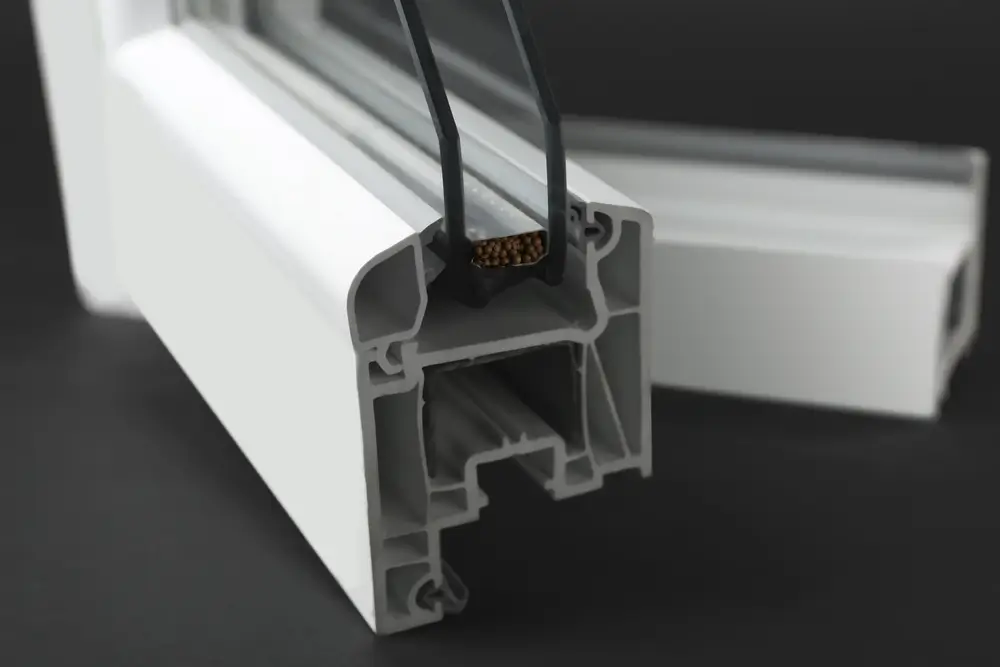
Cost Factors for Both Aluminum and Vinyl Windows
When deciding between vinyl and aluminum windows, understanding the cost factors associated with each material is essential for making an informed investment. Generally, vinyl or aluminum windows vary in price based on factors such as frame quality, window style, size, and energy efficiency features.
Vinyl windows tend to be more affordable upfront, making them an attractive option for homeowners on a budget who still want durable, energy-efficient windows. The manufacturing process for vinyl is less expensive, and the material’s natural insulating properties can also contribute to long-term energy savings.
On the other hand, aluminum windows typically come at a higher initial cost due to the strength and durability of aluminum frames and the more complex manufacturing involved. However, aluminum's slim profiles and sleek appearance can add aesthetic value, especially in modern or commercial-style homes. It's important to consider that while aluminum windows may cost more upfront, their longevity and low maintenance requirements can provide value over time.
Ultimately, the choice between vinyl or aluminum windows depends on your budget, design preferences, and performance needs for your Florida home.
Vinyl vs Aluminum Windows: Climate Considerations
Florida's climate poses challenges for homeowners when selecting window materials. With frequent hurricanes, high humidity, intense heat, and salty coastal air, it’s essential to choose windows that offer both durability and performance. Two of the most popular window frame materials, aluminum and vinyl, each respond differently to these climate factors, influencing their suitability for Florida homes.
One of the most critical climate considerations in Florida is hurricane resistance. The state's building codes require windows to withstand extreme wind pressures and impacts from flying debris during storms. This has led to widespread adoption of impact-resistant windows, which often feature laminated or impact glass paired with strong frames.
Aluminum frames are naturally strong and rigid, making them well-suited to support impact-resistant glass panels. Their structural strength helps aluminum windows maintain integrity under high winds and debris impact, which is why they’re commonly used in coastal and hurricane-prone areas.
However, aluminum's high thermal conductivity means it can transfer heat more easily, potentially affecting energy efficiency unless equipped with thermal breaks.
Vinyl windows while not as inherently strong as aluminum are engineered to meet Florida's impact resistance standards when combined with laminated glass. The flexibility and design of vinyl frames allow them to absorb and withstand wind pressures effectively. Also, vinyl's excellent insulating properties help reduce heat transfer, making vinyl windows a popular choice for energy-conscious homeowners.
When it comes to hurricanes, many vinyl windows are tested and certified to meet or exceed Florida’s stringent impact codes, offering reliable protection without sacrificing energy efficiency.
Florida's high humidity and heat also play a role in material selection. Aluminum frames are resistant to moisture and corrosion, which is beneficial in humid and salty coastal environments. Unlike wood, aluminum won’t warp or rot, and modern finishes help prevent oxidation. However, without proper thermal breaks, aluminum frames can conduct heat and contribute to higher cooling costs.
In contrast, vinyl frames excel in resisting moisture absorption and don't corrode or rust, making them ideal for Florida's humid climate. Their low thermal conductivity helps keep indoor temperatures stable and reduces energy bills during hot summers. Vinyl also resists fading and cracking from prolonged sun exposure, although lower-quality vinyl may degrade faster without UV protection.
Aesthetic and Design Considerations of Vinyl and Aluminum
When choosing between aluminum and vinyl windows, aesthetic and design options play a role in complementing your home's style. Both materials offer a variety of customization possibilities, allowing homeowners to tailor windows to their architectural preferences.
Aluminum windows are prized for their sleek, modern appearance with slim, strong frames that maximize glass area and natural light. They're available in a wide range of colors and finishes, including anodized and powder-coated options, which provide durability and a contemporary look. Aluminum's clean lines and minimalist profiles make it an excellent choice for modern, industrial, and commercial-style homes, as well as mid-century and contemporary designs.
Vinyl windows offer versatility with various frame colors, textures, and grid patterns to suit traditional, colonial, ranch, or craftsman-style homes. Advances in vinyl manufacturing have expanded color options beyond standard white including woodgrain finishes that mimic natural wood’s warmth without the maintenance. Vinyl's flexibility in design allows it to blend seamlessly with a wide range of architectural styles, providing both classic charm and modern appeal.
Ultimately, whether you prefer the sleekness of aluminum or the versatility of vinyl, both vinyl and aluminum materials provide customizable options that enhance curb appeal while meeting functional needs.
Environmental Impact and Sustainability of Vinyl and Aluminum Frames
When considering window materials, the environmental impact and sustainability of aluminum and vinyl are important factors for eco-conscious homeowners.
Aluminum is highly recyclable and often contains a significant percentage of recycled content. Its recyclability is one of its strongest environmental advantages, as aluminum can be melted down and reused indefinitely without losing quality. This reduces the demand for raw materials and lowers the overall carbon footprint associated with aluminum window frames.
Additionally, aluminum's durability means windows last longer, reducing the need for frequent replacements. Vinyl window frames, made from PVC, present a more complex environmental profile. While vinyl production involves fossil fuels and can release harmful chemicals, advances in manufacturing have improved the eco-friendliness of vinyl windows.
Many vinyl frames are recyclable, though the process is less widespread compared to aluminum recycling. Vinyl's energy efficiency benefits also contribute to sustainability by reducing heating and cooling demands in homes. Also, vinyl windows' long lifespan and low maintenance reduce waste over time.
Both vinyl and aluminum offer sustainability benefits, with aluminum excelling in recyclability and vinyl providing energy-saving advantages. Choosing either material with a focus on quality and longevity helps minimize environmental impact over the life of your windows.
If you have any additional questions on vinyl and aluminum windows, contact our team to learn more.
Having Trouble With Your Home's Exterior Doors?
Upgrade your doors with confidence! Get a personalized quote today and see how easy it is to transform your home.
Call for Consultation

