Florida winters feature temperature swings, increased humidity, and occasional cold snaps that can stress your home's systems
Proper winterization protects against moisture damage, energy loss, and costly repairs
Strategic upgrades to doors, windows, and roofing can significantly improve your home's efficiency and comfort
Professional assessments before winter arrives can identify vulnerabilities before they become expensive problems
Jacksonville and Winter Park face cooler temperatures than Palm Harbor, Orlando, and Tampa, requiring slightly different preparation strategies
Did you know that Florida winters can cause just as much damage to your home as harsh northern climates—just in different ways? While you won't be dealing with frozen pipes or mountains of snow, the Sunshine State's unique winter conditions bring their own set of challenges that every homeowner needs to address.
Having Trouble With Your Home's Exterior Doors?
Upgrade your doors with confidence! Get a personalized quote today and see how easy it is to transform your home.
Call for ConsultationUnderstanding Florida's Winter Reality
Let's clear up a common misconception: Florida winters may be mild compared to northern states, but they're far from insignificant for your home.
The combination of cooler temperatures, higher humidity levels, and unpredictable weather patterns creates a perfect storm for home maintenance issues. One day you're running the air conditioning, the next you're cranking up the heat. These temperature fluctuations cause materials to expand and contract, putting stress on your home's envelope.
In cities like Jacksonville and Winter Park, where temperatures can occasionally dip into the 30s or even 20s, the challenges are even more pronounced. Meanwhile, coastal areas like Palm Harbor and Tampa face additional humidity concerns that can lead to moisture infiltration and mold growth.
Why Winterizing Matters in the Sunshine State
Your Florida home faces unique pressures during winter months that differ significantly from summer concerns.
Energy efficiency takes center stage. When temperatures drop, even by Florida standards, poorly sealed homes work overtime to maintain comfortable indoor temperatures. This translates directly to higher utility bills and unnecessary strain on your heating, ventilation, and air conditioning (HVAC) system.
Moisture becomes the silent enemy. Winter in Florida often means increased rainfall and higher humidity levels. Without proper preparation, this moisture finds its way into vulnerable areas of your home, causing wood rot, mold growth, and structural damage over time.
Storm season overlap creates double trouble. While we typically think of hurricane season ending in November, winter storms can still bring high winds and heavy rain. Ensuring that your home's exterior is in top condition protects you year-round.
Comprehensive Winterization List
Now that you understand why winterization matters in Florida, let's dive into the specific steps you should take to protect your home. The following list covers everything from your doors and windows to your roof and heating system. Work through these systematically, and you'll have confidence that your home is ready to handle whatever winter throws your way.
Inspect and Upgrade Your Doors
Your doors are more than entry points into your home; they're critical components of your home's thermal envelope.
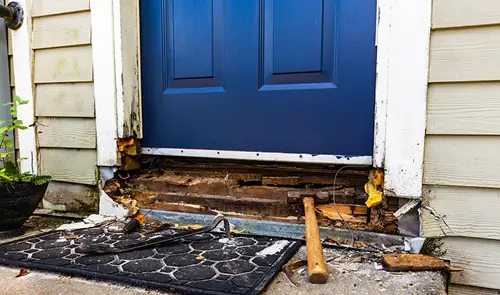
- Check for air leaks—Run your hand around door frames on a breezy day. Feel any drafts? That's conditioned air escaping and unconditioned air entering, costing you money every single day.
- Examine weatherstripping—This often-overlooked component deteriorates over time. Cracked, compressed, or missing weatherstripping is essentially an open invitation for air infiltration.
- Consider door replacement—If your doors are more than 15 to 20 years old, modern replacements offer dramatic improvements in insulation, security, and energy efficiency. New doors with proper seals and insulated cores can reduce heat transfer by up to 70% compared to older models.
For homeowners in Jacksonville and Winter Park, where temperatures swing more dramatically, investing in quality door replacement can make a noticeable difference in comfort and energy bills. Even in warmer areas like Orlando, Tampa, and Palm Harbor, upgraded doors protect against humidity infiltration and improve overall home efficiency.
Evaluate Your Windows
Windows are often the weakest link in your home's defense against the elements.
- Perform a thorough inspection—Look for condensation between panes, cracked seals, difficult operation, or visible damage. These are all signs that your windows are failing to do their job.
- Test for drafts—Light a candle and slowly move it around window frames. If the flame flickers, you've found an air leak that's costing you money.
- Understand when to replace—Single-pane windows or windows with broken seals should be replaced, not just repaired. Modern double or triple-pane windows with low-E coatings can reduce energy costs by 25-30% while dramatically improving comfort.
- Don't forget about impact resistance—If you're investing in window replacement, consider impact-resistant options. They provide year-round protection against storms while offering superior insulation and noise reduction.
Window replacement is especially valuable in humid coastal areas like Palm Harbor and Tampa, where moisture infiltration around old windows can lead to serious structural issues.
Assess Your Roofing System
Your roof is your home's first line of defense, and Florida winters put it to the test.
- Schedule a professional roof inspection—Even if everything looks fine from the ground, a trained eye can spot early warning signs of damage, wear, or potential leaks. Look for red flags such as missing, cracked, or curling shingles, granules accumulating in gutters, sagging areas that indicate structural issues, daylight visible through the roof boards from the attic, and water stains on ceilings or walls
- Address minor issues with roof repair—Small problems caught early can be fixed affordably. A few damaged shingles replaced today prevent a costly water damage incident tomorrow.
- Know when roofing replacement is necessary—If your roof is approximately 15-20 years old or even older, has widespread damage, or has already experienced multiple leak repairs, replacement is often more cost-effective than continued patching.
Florida's intense sun exposure throughout the year means that roofs age faster here than in cooler climates. Combined with winter storms and wind, your roofing system works hard year-round. Cities across Florida, from Jacksonville to Tampa, experience enough severe weather that keeping your roof in excellent condition isn't optional; it's essential.
Prepare Your Heating System
Yes, you need heat in Florida even if it doesn't run constantly.
- Schedule HVAC maintenance—Before the first cold snap hits, have a professional inspect and service your heating system. A system that's been idle for months needs attention before you depend on it.
- Replace air filters—This simple task improves efficiency, indoor air quality, and system longevity. During winter months when systems run more frequently, check filters monthly.
- Consider upgrading your thermostat—A programmable or smart thermostat optimizes heating and cooling based on your schedule, potentially saving 10-15% on energy costs.
Protect Your Pipes and Plumbing
While frozen pipes are less common in Florida, they're not impossible, especially during cold snaps in northern areas.
- Insulate exposed pipes—Any plumbing in unheated areas like garages, attics, or exterior walls should be insulated. This is especially important for Jacksonville and Winter Park homeowners.
- Know where your main water shutoff is—In the rare event of a freeze, being able to quickly shut off water can prevent catastrophic damage.
- Disconnect garden hoses—Standing water in hoses can freeze during cold snaps, potentially damaging outdoor faucets.
Clean and Clear Your Gutters
Gutters work overtime during Florida's rainy winter season.
- Remove all debris—Leaves, pine needles, and other debris prevent proper water flow, leading to overflow and potential water damage to your fascia, siding, and foundation.
- Check for proper slope—Gutters should slope slightly toward downspouts. Standing water indicates a problem that needs correction.
- Extend downspouts away from your foundation—Water should discharge at least 5-6 feet away from your home to prevent foundation issues and basement moisture problems.
Seal and Insulate
Proper sealing and insulation work together to create an efficient thermal envelope.
- Caulk around windows and doors—Exterior caulking deteriorates over time. Remove old, cracked caulk and apply fresh beads to prevent air and water infiltration.
- Check attic insulation—Many Florida homes are underinsulated. Proper attic insulation keeps your home comfortable and reduces energy consumption year-round, not just in winter.
- Seal air leaks—Common culprits include recessed lighting, plumbing penetrations, electrical outlets on exterior walls, and attic hatches. These small leaks add up to significant energy loss.
Regional Considerations Across Florida
Different parts of Florida face different winter challenges, and your winterization strategy should reflect your location.
Jacksonville and Winter Park experience the coolest temperatures, with occasional freezing conditions. Homeowners in these areas should prioritize pipe insulation, heating system maintenance, and sealing air leaks. The investment in quality door replacement and window replacement pays off faster here due to greater temperature differentials.
Orlando sits in the middle, climatically speaking. While freezing is rare, temperature swings are common. Focus on balanced preparation that addresses both heating efficiency and moisture control.
Tampa and Palm Harbor face milder winters but higher humidity levels. Coastal homeowners should emphasize moisture control, roof maintenance, and ensuring proper ventilation to prevent mold and mildew issues. Roofing replacement and roof repair take on added importance in these areas due to salt air exposure.
Value of Professional Assessment
While many winterization tasks are do-it-yourself (DIY)-friendly, some require professional expertise.
A comprehensive home energy audit identifies exactly where your home is losing efficiency. These assessments use specialized equipment like thermal imaging cameras to spot problems invisible to the naked eye.
Professional door replacement, window replacement, and roofing services ensure proper installation. Improper installation can negate the benefits of even the highest-quality materials. Licensed professionals also understand local building codes and can pull necessary permits.
For major projects like roofing replacement, working with experienced contractors protects your investment. Quality roofing companies offer warranties on both materials and labor, giving you the peace of mind you need that your home is properly protected.
Long-Term Benefits of Proper Winterization
The advantages of winterizing your Florida home extend far beyond a single season.
- Lower energy bills year-round—Improvements that keep cold air out in winter also keep hot air out in summer. Better insulation, sealed air leaks, and efficient windows and doors reduce HVAC costs in every season.
- Increased home value—Updated doors, windows, and roofing are high-value improvements that appeal to buyers. Energy-efficient homes command premium prices in today's market.
- Enhanced comfort—Eliminating drafts, reducing temperature variations between rooms, and maintaining consistent indoor conditions makes your home more enjoyable every day.
- Prevented damage—Addressing small issues before they become big problems saves thousands in repair costs. A minor roof repair today prevents major water damage tomorrow.
- Extended system life—When your HVAC system doesn't have to work as hard, it lasts longer. Proper maintenance and an efficient home envelope can add years to expensive equipment.
Making Smart Investment Decisions
Not every home needs every upgrade immediately. Prioritize based on your specific situation.
- Start with an assessment—Identify your home's biggest vulnerabilities. Focus on areas causing the most energy loss or most likely to lead to damage.
- Consider age and condition—A 20-year-old roof nearing the end of its life should be replaced, not patched indefinitely. Similarly, windows and doors showing significant wear are better replaced than repeatedly repaired.
- Think long-term return on investment (ROI)—Some improvements like roofing replacement and window replacement offer excellent ROI through energy savings, increased home value, and prevented damage.
- Don't ignore safety—Issues affecting your home's structural integrity or safety should take priority over purely cosmetic concerns.
Common Winterization Mistakes to Avoid
Even well-intentioned homeowners sometimes make errors that reduce effectiveness.
- Oversealing without proper ventilation—While sealing air leaks is important, your home still needs controlled ventilation to manage moisture and maintain healthy indoor air quality. This is especially critical in humid Florida climates.
- Neglecting the attic—Many people focus on visible areas while ignoring the attic, where the most significant heat transfer often occurs.
- Choosing the cheapest option—Whether it's door replacement, window replacement, or roofing services, the lowest price rarely delivers the best value. Quality materials and professional installation cost more upfront, but save money over time.
- Waiting until problems become emergencies—Emergency repairs cost significantly more than planned maintenance. Winter roof repair during a storm costs more than addressing issues during calm weather.
- Ignoring manufacturer recommendations—Products have specific maintenance requirements. Following these guidelines ensures that they perform as intended and maintain warranty coverage.
Working with Home Improvement Professionals
Choosing the right partners for major winterization projects makes all the difference.
- Look for local experience—Companies familiar with Florida's specific challenges understand what works in our climate. Local contractors know regional building codes and permit requirements.
- Verify credentials—Licensed, insured contractors protect you from liability and ensure work meets professional standards. Check reviews, references, and Better Business Bureau ratings.
- Get detailed estimates—Quality contractors provide written estimates that clearly outline scope of work, materials to be used, project timeline, and costs. Beware of vague estimates or pressure to sign immediately.
- Understand warranties—Ask about both manufacturer warranties on materials and contractor warranties on labor. Keep all documentation for future reference.
- Plan ahead—Don't wait until the last minute. Reputable contractors book up quickly, especially before winter. Planning ahead ensures that you get on the schedule when you need service.
Creating Your Winterization Timeline
Proper preparation means starting early and working systematically.
- Early fall (September-October)—Schedule professional inspections for roofing, HVAC, and overall home energy efficiency. This gives you time to plan and budget for necessary improvements before cold weather arrives.
- Midfall (October-November)—Complete major projects like roofing replacement, window replacement, or door replacement. Weather is typically favorable, and you'll have improvements in place before you need them.
- Late fall (November)—Handle smaller tasks like caulking, weatherstripping, gutter cleaning, and HVAC filter changes. Test heating systems before the first cold snap.
- Winter months (December-February)—Monitor your home's performance. Address any issues that arise quickly. Use this time to plan for spring maintenance and future upgrades.
Beyond Winter: Year-Round Benefits
The improvements you make for winter preparation serve you every day. Modern windows and doors don't just keep winter cold out; they keep summer heat out, too.
Quality roofing protects against summer storms just as effectively as winter weather. Proper insulation and sealing reduce energy costs twelve months a year.
Think of winterization not as a seasonal checklist, but as part of an ongoing commitment to maintaining and improving your home. Each upgrade makes your home more efficient, comfortable, and valuable.
Taking Action Today
Winterizing your Florida home doesn't have to be overwhelming. Start with a thorough assessment, prioritize based on your home's needs, and tackle projects systematically.
Whether you're dealing with drafty doors in Jacksonville, aging windows in Orlando, a questionable roof in Winter Park, or moisture concerns in Tampa or Palm Harbor, addressing these issues now prevents problems and saves money.
Professional help is available for every aspect of winterization, from comprehensive roof repair to complete roofing replacement, from single door replacement to whole-house window replacement projects. The key is starting the conversation and taking that first step.
Your home is your biggest investment. Protecting it through proper winterization maintains its value, reduces operating costs, and creates a more comfortable living environment for you and your family. Florida winters may be mild, but they're real, and your home deserves proper preparation.
Ready to Protect Your Florida Home This Winter?
Don't wait until the first cold snap or winter storm to discover vulnerabilities in your home. Taking action now protects your investment, reduces energy costs, and ensures that your family stays comfortable all season long.
Whether you need professional roof repair, comprehensive roofing replacement, energy-efficient window replacement, or quality door replacement, expert help is just a phone call away. Our experienced team serves homeowners throughout Jacksonville, Orlando, Winter Park, Tampa, and Palm Harbor with the knowledge and expertise that comes from years of working in Florida's unique climate.
Contact us today for a free assessment and discover how we can help you prepare your home for winter and beyond. Your home deserves the protection, and you deserve the peace of mind.
Having Trouble With Your Home's Exterior Doors?
Upgrade your doors with confidence! Get a personalized quote today and see how easy it is to transform your home.
Call for Consultation