Asphalt shingle roofs in Florida typically last 15-25 years, often shorter than national averages
Metal roofs offer the longest lifespan in Florida's climate, ranging 40-70 years or more
Installation quality and routine maintenance have as much impact on longevity as material type
Florida's 8th Edition Building Code, effective December 2023, introduced new underlayment and fastener requirements to improve roof durability statewide
Always hire a state-licensed roofing contractor; Florida law requires it for all roofing work
Twice-yearly inspections plus a poststorm check are the minimum maintenance standard for Florida homes
If you've ever wondered whether your Florida roof is living on borrowed time, the answer depends on three things: what it's made of, how it was installed, and how well it's been maintained.
Our "Sunshine State" is gorgeous, but the climate,'s relentless. Between scorching ultraviolet (UV) rays, tropical storms, salt air, year-round humidity, and a hurricane season that runs a full six months, Florida roofs face conditions that age materials significantly faster than in most other states. Understanding the roof lifespan in Florida means accepting that national averages simply don't apply here.
If you own a home in Orlando, Tampa, Palm Harbor, Winter Park, or anywhere across Central Florida, knowing your roof's realistic replacement timeline is one of the most important things you can do to protect your home and your wallet.
Why Florida Is Uniquely Hard on Roofs
Before talking numbers, it helps to understand what your roof is actually up against.
Florida's in a zone of intense, overlapping climate stressors. Between constant sun exposure, high humidity, heavy rain, and seasonal storms, roofing materials in Florida age more quickly than in many other parts of the country.
Your friend in Ohio bragging about their 28-year-old original shingle roof? Their story simply doesn't apply in our state.
UV rays slowly degrade roofing materials while high humidity levels encourage mold growth, which accelerates deterioration. High winds wreak havoc on roofing systems as they tend to rip off shingles or tiles while sometimes causing tree branches to fall onto roofs, leading to severe damage.
For homeowners in coastal communities like Palm Harbor and Tampa, there's an added layer of concern. Proximity to the ocean can result in salt and moisture accumulation, which can corrode roofing materials.
Florida's climate isn't a single threat; it's a combination of threats hitting your roof simultaneously all year long.
Florida Roof Lifespan by Material Type
Not all roofs are equal and, in Florida, the gap in performance between materials is especially pronounced. Here's what you can realistically expect from each common roofing system.
Asphalt Shingles
The most common roofing material across Florida, asphalt shingles are affordable and widely available. But they're also the most vulnerable to Florida's weather conditions.
Three-tab shingle roofs can last between 10 and 20 years, dimensional roofs have a lifespan of 15 to 25 years, and premium roofs can last for 20 to 30 years.
The reality on the ground, though, skews toward the lower end of those ranges. Florida's intense sun, high humidity, and seasonal storms means that asphalt shingles usually don't reach the 25-to–30 year lifespan they might in other parts of the country. In our climate, most shingle roofs last between 12 to 18 years, depending on factors like ventilation, installation quality, and proximity to the coast.
If your Orlando or Winter Park home has a shingle roof approaching the 15-year mark, it's worth having a professional take a look so you know exactly where you stand.
Clay and Concrete Tile Roofs
Tile roofs are a signature look across Florida neighborhoods, and they offer meaningful durability advantages. The challenge, though, is that the tiles themselves aren't the whole story.
Concrete tile roofs look durable, and the tiles themselves truly are. But it's the underlayment that usually fails first. That black felt paper (or synthetic underlayment) underneath the tile is what keeps your roof waterproof. In Florida's wet, humid climate, it starts to deteriorate around year 15 to 20, long before the tiles show visible wear.
When considering how long tile roofs last in Florida, the answer can range anywhere from 10 to 50 years. Whether your tile roof lasts 10 years or closer to 50 years primarily depends on how it's installed. Proper flashing and top flashing are essential; without them, water reaches the underlayment, and problems compound quickly.
The practical takeaway for homeowners in Tampa and Palm Harbor: if you have a tile roof that looks visually fine but is approaching the 20-year mark, the underlayment may be the hidden vulnerability. A professional inspection will tell you what the surface can't.
Metal Roofs
Metal roofing has become an increasingly popular choice in Florida, and the performance data backs it up.
Metal roofing lasts 40 to 70 years, often longer depending on the profile, coating, and installation quality. Metal roofs regularly outlive the mortgage on a home.
Metal roofs are far more resistant to wind uplift, which is critical in hurricane-prone Florida. They're noncombustible, reducing fire risk, and suffer far less damage from hail and storms compared to asphalt.
It's also worth knowing that Florida law protects your right to install a metal roof even in homeowner association (HOA) communities; lawmakers stepped in when too many HOAs blocked homeowners from upgrading to safer, longer-lasting systems.
Slate Roofs
The longest-lasting roofing material, slate's available anywhere. Slate roofs provide the longest lifespan among all roofing options, impressively lasting up to 100 years.
Although initially expensive, slate rooftops pay off during their extended life expectancy as less frequent replacements equate to cost savings over time. Slate isn't common across Florida due to its weight and cost, but it's the gold standard for longevity where structurally feasible.
At a Glance: Roof Lifespan in Florida by Material Type
| Roof Type | Florida Lifespan Estimate |
| 3-tab asphalt shingles | 10-18 years |
| Dimensional or architectural shingles | 15-25 years |
| Premium asphalt shingles | 20-30 years |
| Concrete or clay tile | 25-50 years (underlayment: 15-20 years) |
| Metal roofing | 40-70+ years |
| Slate | Up to 100 years |
Source: InterNACHI Florida Life Expectancy Chart
Florida Building Code: What Changed and Why It Matters
Our state doesn't leave roofing standards to chance. Florida updates its building code every three years; the most recent update, the 8th Edition of the Florida Building Code, went into effect on December 31, 2023. The Florida Building Commission is the official governing body overseeing these standards.
The updated code includes the requirement for a dual layer of underlayment for various roofing materials including metal, asphalt shingle, slate, and mineral surfaced roll roofing. This is a meaningful improvement for long-term waterproofing performance.
The Florida Building Code mandates that all roofing systems and materials meet strict uplift and impact resistance levels due to Florida's exposure to hurricanes. All products used: shingles, underlayment, and fasteners must be approved by the Florida Product Approval System.
Wind uplift requirements are tiered by region. Roofing systems need to withstand higher wind speeds, ranging from 110 mph in central Florida to over 180 mph in coastal Miami-Dade and Broward counties.
The 25% Roof Rule is also an important piece of Florida law; it specifies that not more than 25 percent of the total roof area or roof section of any existing building or structure can be repaired, replaced, or recovered in any 12-month period unless the entire roofing system or roof section conforms to requirements of this code. Homes properly permitted after March 1, 2009, may qualify for targeted repairs rather than full replacement under the Florida Building Code's updated guidance.
What to Know Before Hiring a Roofing Contractor in Florida
In order to protect consumers, Florida law states that roofing work must be performed by a state-licensed contractor. And this law has real consequences if ignored.
Any legitimate roofing contractor working on your home in Orlando, Tampa, Winter Park, or Palm Harbor is required by law to have:
- State licensing—ll roofing contractors need to hold an active state license, as required by the Florida Department of Business and Professional Regulation (DBPR). Before you hire a contractor, make sure you verify their license status. Never hire a contractor who can't provide their license number upfront.
- General liability insurance—Licensed contractors are required to carry general liability coverage. This protects your property in the event of accidental damage during the project.
- Workers' compensation insurance—Any contractor with employees performing work on your roof must carry workers' compensation coverage. If a worker is injured on your property and the contractor lacks this coverage, you as the homeowner could be held liable.
- Permits for all roofing work—All roofing work: new installation, reroofing, or major repairs requires permitting through local authorities. Projects need to pass multiple inspections: sheathing/deck, dry-in (underlayment), and final completion. If a contractor suggests skipping the permit, avoid them.
Before any work begins, ask your contractor for proof of license, proof of general liability coverage, and proof of workers' compensation. A reputable contractor will provide all three without hesitation. Consider it a serious red flag if a contractor resists or deflects.
7 Warning Signs that Your Roof May Be Failing
Knowing the warning signs puts you in control of the timeline instead of letting a storm make that decision for you. Watch for the following red flags on your Orlando, Winter Park, Tampa, or Palm Harbor home:
- Curling, cracking, or missing shingles—Shingles that have curled at the edges or developed cracks are losing their ability to shed water effectively.
- Granule loss—If you notice sandy residue accumulating in your gutters or downspouts, your shingles are shedding their protective coating. This accelerates UV damage to the underlying mat.
- Sagging areas—Any visible sagging or depression in the roofline indicates structural compromise; deck boards or support members may be weakened by moisture.
- Daylight visible in the attic—If light is coming through your attic ceiling, water can, too.
- Water stains on interior ceilings or walls—These are signs that moisture has already breached the roofline and reached the living space.
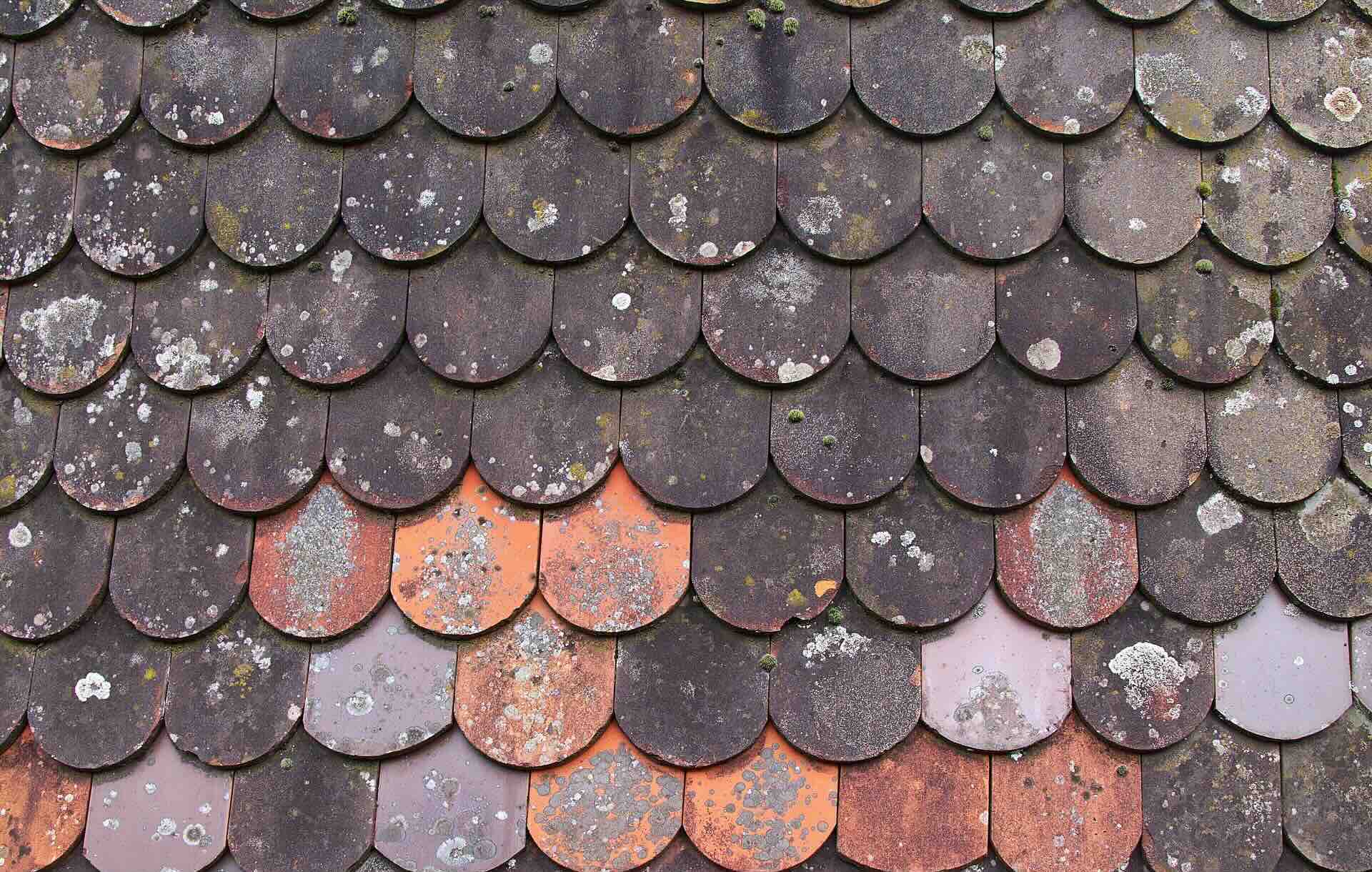
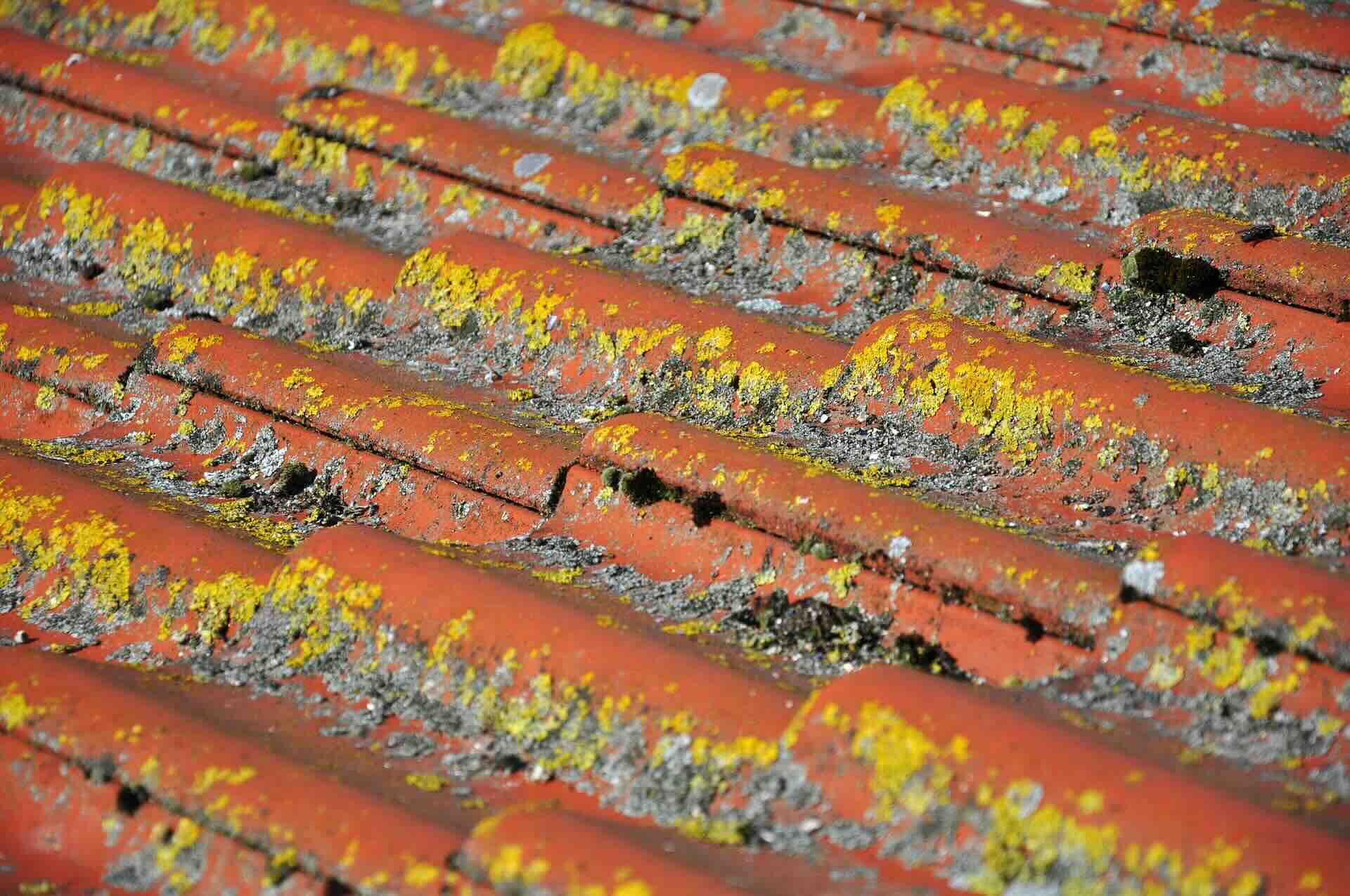
- Moss, algae, or dark streaking—Florida's humidity creates ideal conditions for biological growth. High humidity levels encourage algae growth, especially on asphalt shingle roofs, giving them an unappealing streaked appearance while degrading the material prematurely over time.
- Age alone—If your shingle roof is 15 years or older and you haven't had a professional inspection, schedule one now, especially before hurricane season.
How to Get More Years Out of Your Roof
AA well-maintained roof consistently outlasts a neglected one, regardless of material. These practices make a measurable difference for homeowners throughout Central Florida.
- Inspect twice a year and after every major storm—After major storms, inspect your roof for damage after significant weather events like tropical or heavy rainstorms. Conduct an inspection at least twice a year to catch any potential issues before they worsen.
- Keep gutters clear—Clogged gutters force water to back up under the roofline. In Florida's rainy season, this happens fast. Clean gutters seasonally and after heavy leaf fall.
- Remove debris promptly—Leaves, branches, and organic debris trap moisture against roofing materials. For tile roofs especially, debris accumulation under the tiles accelerates underlayment deterioration.
- Address small repairs immediately—A $300 repair today can prevent a $15,000 replacement next year. Cracked caulk around flashing, a missing tile, or a loose shingle are manageable problems until water gets underneath.
- Ensure proper attic ventilation—Intense UV exposure can cause shingles to dry out, curl, or crack sooner if ventilation is poor. Adequate attic airflow reduces the heat buildup that destroys roofing materials from the inside out.
- Schedule a professional inspection proactively—Getting ahead of the timeline gives you options. Waiting until you see visible damage or until a contractor knocks on your door after a storm puts you at a disadvantage on both cost and timing.
Your Roof, Windows, and Doors Work as One System
Many homeowners overlook that your roof doesn't work in isolation. The entire building envelope: roof, windows, and doors functions as an integrated system. When one component's compromised, the others have to work harder.
Storm-driven rain enters homes most often not directly through the roof surface, but through compromised window and door seals or at the intersections where these components meet the structure. A roof in good condition but paired with aging windows or poorly sealed entry doors creates vulnerabilities that inspectors notice on every four-point inspection.
If your roof's approaching the end of its useful life and you're considering replacement, it makes sense to also assess the condition of your windows and exterior doors. Upgrading to impact-resistant windows and properly sealed doors in conjunction with a roof project will strengthen your entire home's defense against Florida's storm season.
Sources of information:
- Florida Department of Business & Professional Regulation (DBPR): Florida Building Code
- Florida Department of Business and Professional Regulation (DBPR): Licensee Search Options
- Florida Roofing and Sheet Metal Contractors Association (FRSA): Replacing Your Roof
- International Association of Certified Home Inspectors (InterNACHI): InterNACHI's Estimated Life Expectancy Chart for Florida Homes
Don't Let Your Roof Make the Decision for You
You can't afford to treat your roof as a set-it-and-forget-it investment—not in Florida. The combination of UV exposure, humidity, storm season, and strict building code requirements means that staying informed and proactive is the only approach that actually works.
Whether you own a home in Orlando's established neighborhoods, in the coastal communities of Palm Harbor, in the heart of Tampa, or in the charming streets of Winter Park, your roof faces the same relentless Florida climate. Homeowners who fare best are the ones who know their roof's age, hire licensed and properly insured contractors, and don't wait for visible damage before taking action.
If you're not sure where your roof stands or if you've been putting off an inspection, take that step now. The same goes for your windows and doors, which work alongside your roof to keep your home sealed, safe, and protected year-round. Based in Florida, FAS Exteriors serves homeowners across Florida with roofing, window, and door solutions built for the real conditions that our state delivers.
Contact us today to get your professional roof evaluation; you deserve a home that holds up to the elements so let's start that conversation today.